Preparing a home for a major construction project involves more than choosing materials and signing contracts. It is a process that affects your daily routine, your home’s functionality, and sometimes even your temporary living setup. Many homeowners underestimate how much planning and preparation are required long before the first tool is picked up. Successful projects begin with clear evaluations, proactive communication, and thoughtful coordination among multiple professionals. When you approach the process intentionally, you reduce stress, prevent costly mistakes, and ensure that your home remains protected during every phase of construction. This guide explores essential steps homeowners can take to prepare effectively for major construction, helping you feel more in control and confident from start to finish.
Evaluating Your Home’s Starting Condition

Before any construction begins, a thorough evaluation of your home’s existing structure is essential. Many older homes contain outdated materials, hidden damage, or structural limitations that could impact the project. This is why planning often starts with demolition services that can safely remove unattached or unsafe elements. Professional removal ensures that the materials underneath are accessible and that construction crews can work without unexpected obstacles.
General contractors play a crucial role during this stage by analyzing floor plans, existing supports, and architectural details. They can identify where structural reinforcements may be required and determine which walls or elements are load-bearing. Homeowners often assume that everything behind their walls is predictable, but experienced professionals know that homes can hide complications such as rotting beams, uneven foundations, or ungrounded wiring. A detailed evaluation prevents delays and provides a realistic picture of how much work your project requires. The more you understand about your home’s condition at the outset, the smoother the renovation process will be.
During this stage, it is helpful to document the current condition of each room and area being updated. Photos, inspections, and written notes allow you to compare changes over time and ensure accountability among contractors. This initial planning phase lays the groundwork for a successful construction experience and helps protect both your finances and your expectations.
Preparing Your Electrical and HVAC Systems for Renovations
Major construction projects often require modifications to your electrical and climate systems. A local electrical contractor can assess your current system to ensure it can safely support additional lighting, high-demand appliances, or new room configurations. Many homes built decades ago were not designed to handle modern electrical loads, which means circuits can become overloaded if upgrades are not made prior to construction. By addressing electrical needs early, homeowners prevent power failures, fire hazards, and costly rework once the walls are closed again.
Climate control is equally important. When a home expands or undergoes significant interior changes, the existing cooling system may no longer provide adequate airflow or efficiency. Scheduling ac repair services before beginning construction allows you to determine whether your system needs adjustments, repairs, or full replacement. HVAC professionals can evaluate ductwork, airflow paths, thermostat placement, and cooling capacity to ensure your home remains comfortable during and after the renovation.
Upgrading essential systems before construction begins reduces downtime and prevents delays caused by opening walls multiple times. Homeowners often assume electrical and HVAC updates can be completed mid-project, but integrating them early ensures better efficiency and coordination with other contractors. This preparation step contributes significantly to a more organized and less stressful renovation.
Strengthening Structural and Weather-Resistant Areas of the Home
Structural health is a major factor in determining how well your home withstands disruptive construction activity. A roofing service can inspect your roof’s condition and identify worn shingles, damaged underlayment, or weak flashing. Construction often exposes parts of the house to outdoor elements, which means a strong roof is essential for protecting insulation, flooring, and interior finishes. Repairing or reinforcing the roof beforehand prevents leaks and ensures that sensitive materials remain dry throughout the process.
In addition to roof health, plumbing contractors can assess your home’s water supply system to identify vulnerabilities. Many construction projects involve moving pipes, replacing fixtures, or updating water lines. Plumbing issues such as low water pressure, outdated materials, or aging pipes can complicate a renovation if not addressed early. Fixing these problems before work begins leads to smoother installations and prevents water damage during construction.
When homeowners invest time in strengthening the core structural and weather-resistant areas of the home, they reduce the risk of interruptions caused by storms or hidden damage. This careful preparation sets the stage for a stable and well-protected renovation environment.
Planning Exterior Upgrades with Care and Strategy

Exterior construction requires a unique set of considerations due to soil composition, weather exposure, and long-term durability needs. Working with a driveway contractor helps determine whether your existing pavement must be removed, repaired, or replaced before additional construction activities begin. These professionals evaluate drainage patterns, grade levels, and overall accessibility so you can plan a functional layout that supports both vehicles and foot traffic.
For homeowners incorporating recreational upgrades, collaborating with an in ground pool company ensures that excavation is handled properly and safely. Pool installation requires precise placement, stable soil conditions, and adequate drainage systems to prevent long-term damage. Outdoor environments need thoughtful planning because they interact closely with natural elements. Improper placement of a pool or driveway can lead to flooding, erosion, and structural complications.
Strategic exterior planning also supports smoother overall construction by establishing clear access routes for large machinery, trucks, and workers. When outdoor features are planned with care, the entire project becomes more coordinated and less stressful.
Enhancing Energy Efficiency and Long-Term Savings
Energy-efficient upgrades provide both immediate and long-term benefits. Many homeowners choose to incorporate solar panel installation during major construction because it increases property value and reduces long-term utility costs. When planned early, solar integration can influence other aspects of construction, such as roof placement, electrical panel upgrades, or structural reinforcements. Coordinating energy-efficient systems from the outset ensures all components work harmoniously.
General contractors can also help homeowners evaluate potential energy waste within their current design. This may include addressing air leaks, outdated insulation, inefficient appliances, or poor window placement. By integrating energy improvements into the renovation plan, homeowners can create a home that is more comfortable, affordable, and environmentally friendly.
Energy efficiency is most effective when approached as a comprehensive strategy rather than an afterthought. When homeowners treat energy upgrades as a fundamental part of their renovation, stress is reduced and long-term savings increase significantly.
Expanding Livable Space for Comfort and Functionality
Interior expansions provide some of the most transformative benefits during home construction. Basements in particular offer opportunities for additional bedrooms, entertainment spaces, or storage areas. Working with basement contractors allows homeowners to assess foundation integrity, insulation needs, moisture control strategies, and layout options. These assessments ensure the renovation creates a functional and comfortable space that supports long-term use.
Plumbing contractors are also essential when planning basement transformations. Adding bathrooms, laundry areas, or utility sinks requires precise water line placement and drainage planning. Improper plumbing setup can lead to flooding, mold, or structural deterioration, making early assessment crucial.
Preparing your home for interior expansions involves careful coordination among multiple specialists who understand the unique challenges of below-ground construction. When the foundation and systems are prepared properly, the renovation becomes smoother and more effective.
Organizing Project Phases, Permits, and Communication
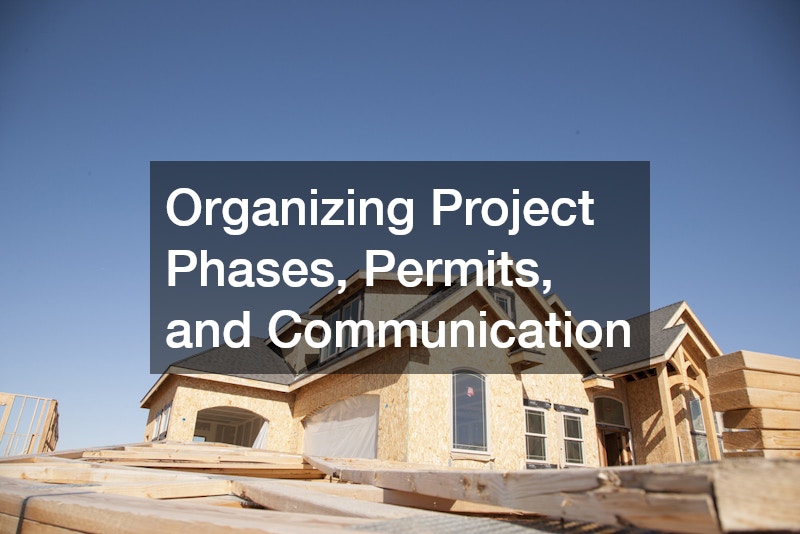
Managing a large home construction project requires more than hiring contractors; it demands thoughtful planning and organization. General contractors are invaluable during this stage because they understand how to sequence tasks efficiently. They ensure that work is performed in the correct order, that materials are delivered on time, and that subcontractors coordinate their schedules effectively.
Working with a local electrical contractor during this stage helps identify which parts of the project require permits or inspections. Understanding legal requirements early prevents costly delays and ensures compliance with local regulations. A well-organized project timeline also helps homeowners avoid unnecessary downtime and confusion.
Communication is the backbone of a successful renovation. Establishing clear expectations, check-in schedules, and communication methods keeps every team member aligned. When homeowners take the time to set up strong communication channels, stress decreases and progress accelerates.
Knowing When to Hire Professionals Instead of Doing It Yourself
Homeowners often enjoy participating in their home improvement projects, but major construction requires skill, experience, and safety knowledge. Tasks involving demolition services should always be completed by trained professionals who understand how to remove materials safely without damaging structural components. Professional demolition ensures that the work area remains stable and that future construction can proceed smoothly.
Roof-related tasks should also be handled by experts offering roofing service. Climbing onto a roof without proper equipment or training can lead to serious injuries, and improper repairs can cause long-term structural damage. Professional roofers understand how to manage risks, ensure water tightness, and extend the life of roofing materials.
Knowing which tasks require professional help protects both your investment and your personal safety. Homeowners who delegate high-risk or highly technical tasks reduce stress and increase the likelihood of long-lasting results.
Coordinating Mechanical and Energy Systems for Better Efficiency
Mechanical upgrades contribute significantly to the comfort and efficiency of a newly renovated home, especially as modern households rely more heavily on technology, climate control, and energy management. Scheduling ac repair services early ensures your HVAC system can support the demands of expanded or remodeled spaces without straining the equipment or compromising indoor comfort. Older units may struggle with airflow, energy efficiency, or temperature distribution, which can undermine the benefits of construction if not addressed before new walls, ceilings, or layouts are finalized. Ensuring your system is clean, properly sized, and updated to meet the new space requirements prevents costly adjustments later in the project and helps maintain consistent comfort as construction progresses.
Integrating mechanical work with solar panel installation is another effective strategy, creating a balanced system that optimizes both energy usage and performance. Planning these systems together allows homeowners to evaluate power needs, reduce utility costs, and enhance environmental sustainability. Electrical upgrades, ventilation improvements, and energy management tools can all be coordinated to work seamlessly together, forming an integrated network that maximizes efficiency. This approach also ensures that the supporting components—such as wiring, ductwork, insulation, and breakers—are appropriately sized for future energy demands.
Adding Lifestyle Enhancements That Boost Daily Enjoyment

A driveway contractor can assist with designing walkways and driveway layouts that enhance safety and convenience while complementing surrounding features. Upgrading pathways and outdoor surfaces creates a more comfortable and visually appealing environment that supports everyday activities, from parking and unloading groceries to navigating your yard during evening hours. Properly designed hardscaping provides structure to the outdoor layout and can significantly improve curb appeal. Planning these improvements in conjunction with other outdoor elements ensures a cohesive and enjoyable exterior living space where each component feels intentional and connected.
Major construction projects become far more manageable when homeowners take time to prepare thoughtfully and coordinate with experienced professionals. Evaluating structural conditions, organizing tasks strategically, and addressing essential systems early helps ensure that the renovation proceeds smoothly. With deliberate planning and consistent communication, homeowners can reduce stress and enjoy a transformation that enhances comfort, function, and long-term value. By approaching construction with patience and preparation, you set the stage for a successful project and a home you can enjoy for years to come.